


Blepharoplasty
Blepharoplasty, or eyelid surgery, is a precise procedure designed to rejuvenate the appearance of the upper and lower eyelids by removing excess skin, repositioning fat, and tightening supportive muscles.
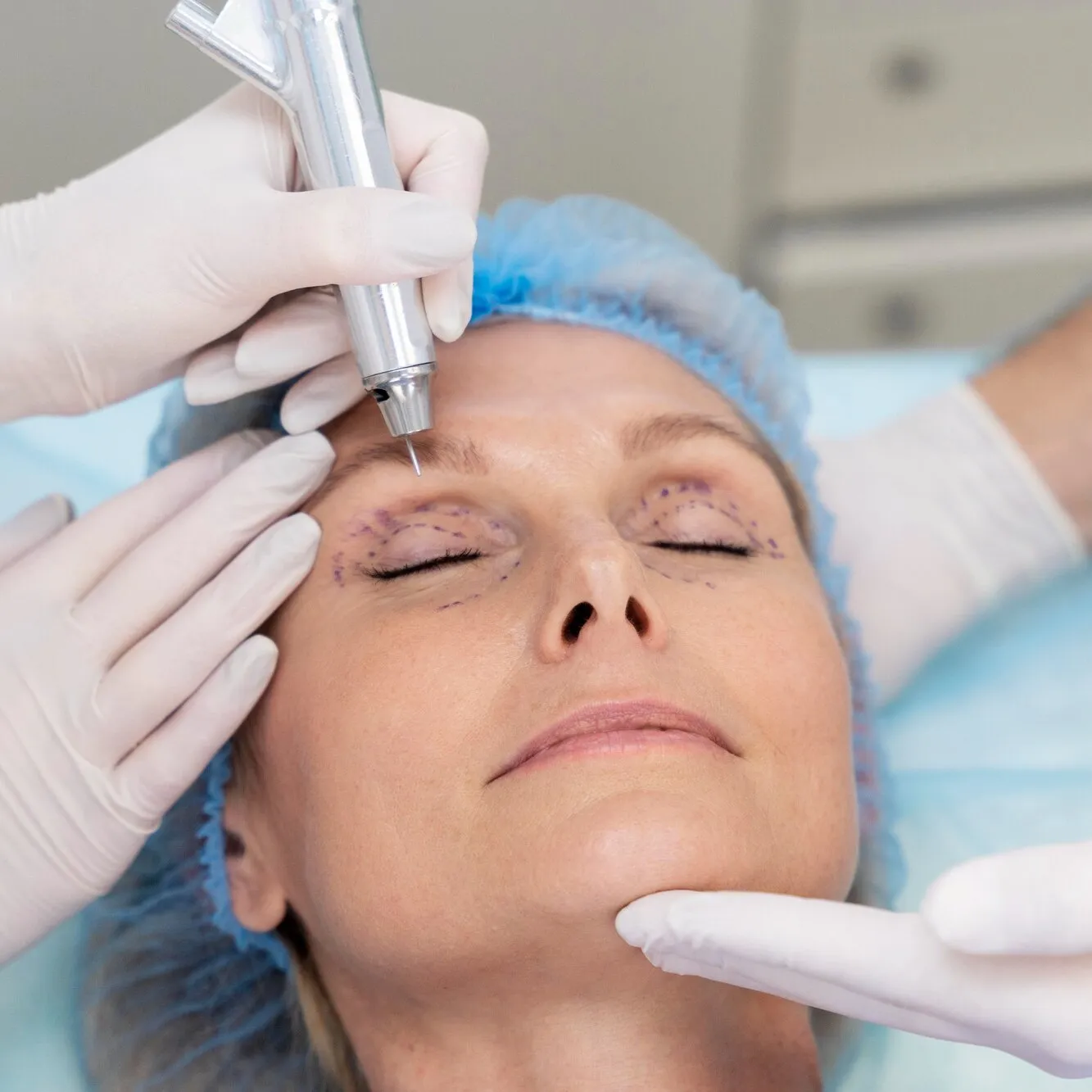
Blepharoplasty
Blepharoplasty, or eyelid surgery, is a precise procedure designed to rejuvenate the appearance of the upper and lower eyelids by removing excess skin, repositioning fat, and tightening supportive muscles. This surgery addresses the "tired" look caused by drooping upper lids and prominent lower lid bags, restoring a more alert and refreshed expression. Our approach focuses on meticulous anatomical correction to enhance the natural shape of the eyes while preserving essential functional integrity.
The eyes are often the first feature to exhibit signs of aging, as the skin of the eyelids is the thinnest on the human body. Over time, the supportive structures of the lids weaken, and the protective fat pads surrounding the eye can bulge forward, creating puffiness or "bags." Simultaneously, a loss of elasticity leads to redundant skin that can obscure the natural fold of the upper lid or create deep wrinkles in the lower lid. Blepharoplasty provides a permanent surgical solution to these concerns.
What is Blepharoplasty?
A comprehensive blepharoplasty addresses both the upper and lower eyelids to provide a balanced and harmonious rejuvenation of the periorbital area.
- Upper Blepharoplasty: This focuses on removing the "hooding" effect caused by excess skin and thin layers of muscle. In some cases, a small amount of fat is also removed from the inner corner of the eye to reduce heaviness. This results in a more defined eyelid crease and an "open" appearance.
- Lower Blepharoplasty: This addresses the "puffiness" and hollow "tear troughs" beneath the eyes. Modern techniques often prioritize "fat transposition," where the surgeon repositions the patient's own fat into the hollow areas rather than simply removing it. This prevents a "sunken" or gaunt look and creates a smooth transition between the lower lid and the cheek.
The surgery is highly customizable. Depending on your anatomy, your surgeon may use a "transconjunctival" approach for the lower lids, where the incision is hidden inside the eyelid, or a "subciliary" approach just beneath the lash line if excess skin also needs to be removed.
Who is blepharoplasty for?
This procedure is ideal for men and women who feel their eyes make them look older or more exhausted than they feel. You may be a candidate for eyelid surgery if:
- You have loose, sagging skin that creates folds or hides the natural contour of the upper eyelid.
- Your upper eyelid skin is so heavy that it interferes with your peripheral vision.
- You have persistent puffiness or bags under your eyes that do not respond to rest.
- You have deep "tear troughs" or hollows that create dark shadows under the eyes.
- You have fine "crepey" wrinkles and excess skin on the lower eyelids.
Before the operation
Your journey begins with a detailed ophthalmic and aesthetic evaluation. Your surgeon will assess your eyelid skin, the strength of the underlying muscles, and the position of your fat pads. A crucial part of the consultation is checking for "dry eye" symptoms, as this can influence the surgical plan. You will discuss your goals and whether a brow lift or fat grafting might be necessary to complement the eyelid results.
Preoperative instructions include a mandatory cessation of smoking and the avoidance of aspirin, ibuprofen, and certain herbal supplements for two weeks prior to surgery. These precautions are essential to minimize the risk of bruising and postoperative bleeding, which can affect the final aesthetic result.
During the operation
Upper and lower blepharoplasty is typically performed under intravenous sedation or general anesthesia and takes approximately 2 hours. For the upper lids, the surgeon makes a precise incision within the natural crease to ensure the resulting scar is hidden when the eyes are open.
For the lower lids, if fat repositioning is required, the incision is often made just below the lashes or inside the eyelid. The surgeon carefully redistributes or removes fat and tightens the supporting septum. Once the desired contour is achieved, the incisions are closed with very fine, hair-like sutures. A cooling ointment and cold compresses are applied immediately to soothe the area.
After the operation and recovery
In the first few days following surgery, it is normal to experience some swelling, bruising, and a feeling of "tightness" around the eyes. Vision may be slightly blurry due to the protective ointments used. We recommend keeping your head elevated and using cold compresses frequently for the first 48 hours to accelerate the healing process.
Most patients return to work and social activities within 7 to 10 days, once the sutures are removed and the majority of bruising can be easily camouflaged with concealer. You must avoid strenuous exercise, heavy lifting, and wearing contact lenses for at least two weeks. While the results are visible relatively quickly, it takes several months for the fine incision lines to fade and for the final, rejuvenated contour to be fully realized.
Will eyelid surgery change the shape of my eyes?
The goal of a well-performed blepharoplasty is to rejuvenate and "open" the eyes, not to fundamentally alter their natural shape or character. By removing the weight of sagging skin and smoothing the lower lid area, your eyes will appear more alert and youthful while still looking like "you."
Where will the scars be located?
In upper blepharoplasty, the scar is hidden in the natural crease of the eyelid. In lower blepharoplasty, the scar is either completely invisible (inside the lid) or placed just a millimeter below the lower lashes, where it blends into the natural fine lines of the eye. Over time, these scars become nearly impossible to detect.
How long do the results last?
Upper eyelid surgery results typically last for 10 to 15 years, though the natural aging of the forehead and brow may eventually affect the appearance. Lower eyelid surgery results are often permanent, as the fat pads removed or repositioned generally do not return.
Can blepharoplasty improve my vision?
Yes. If your upper eyelids have significant skin laxity (ptosis) that hangs over the eyelashes, it can restrict your superior and peripheral vision. Removing this excess skin not only improves your appearance but can also functionally increase your field of vision, making activities like driving and reading more comfortable.
Every question gets an answer
Get a free consultation by booking a consultation with our consultants.