


Facelift
A facelift, or rhytidectomy, is a premier surgical procedure designed to address the visible signs of aging in the lower two-thirds of the face and the neck.
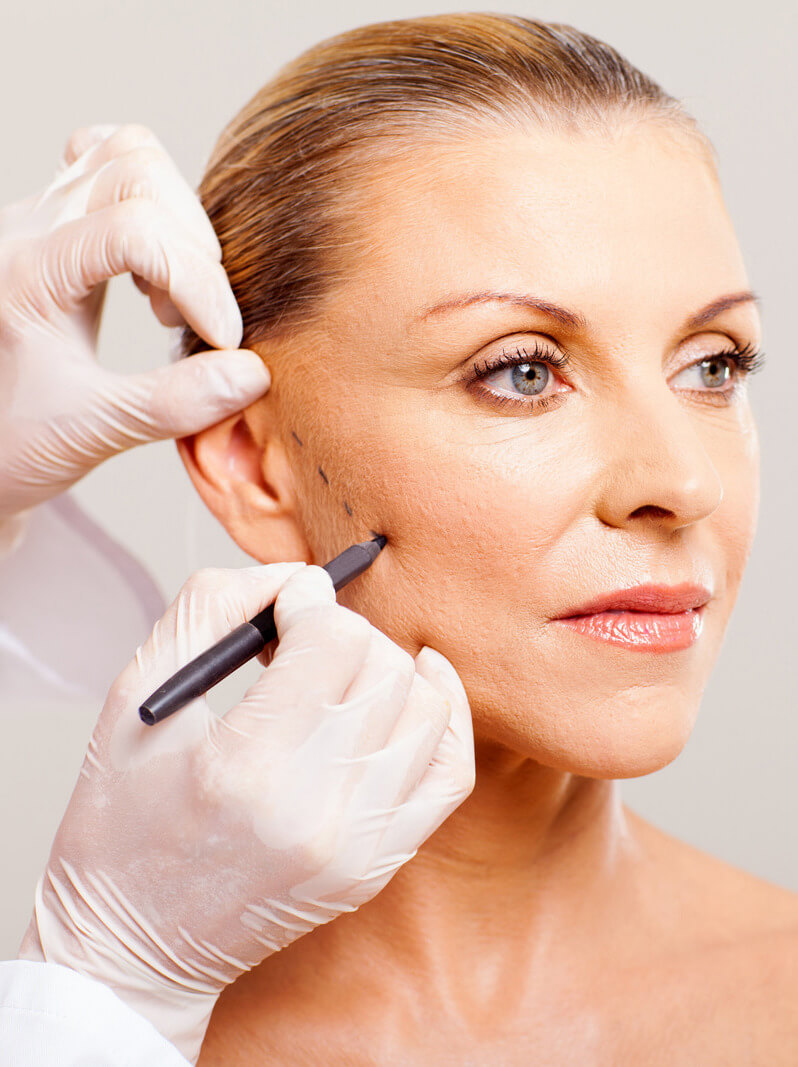
Facelift
A facelift, or rhytidectomy, is a premier surgical procedure designed to address the visible signs of aging in the lower two-thirds of the face and the neck. By repositioning underlying facial tissues and removing excess skin, this surgery restores a firmer, more defined jawline and a rejuvenated facial contour. Our philosophy centers on achieving a refreshed, "rested" appearance that honors your natural features while effectively turning back the clock on facial laxity.
As we age, the combined effects of gravity, sun exposure, and a natural loss of facial volume lead to skin sagging and the formation of deep creases. The superficial muscular aponeurotic system (SMAS)—the layer of tissue beneath the skin—gradually descends, resulting in the development of jowls, a softened jawline, and "banding" in the neck. A modern facelift does more than just pull the skin; it restores the structural foundation of the face to its more youthful position.
What is a Facelift?
A contemporary facelift is a multi-dimensional procedure that addresses the skin, fat, and muscle layers. Rather than simply tightening the skin, which can result in an "operated" look, the surgeon carefully lifts and secures the deeper SMAS layer. This provides a stable internal framework that supports the face for years to come.
Depending on your specific anatomical needs, several variations of the facelift may be utilized:
- Full Facelift: Addresses the lower face, jawline, and neck, typically involving incisions that begin in the hairline at the temples and continue around the ear.
- Mini Facelift: A less invasive option focused on the lower face and jowls, utilizing shorter incisions for patients with moderate skin laxity.
- Neck Lift: Often performed as part of a facelift, this specifically targets the "turkey neck" appearance and prominent vertical bands by tightening the platysma muscle.
To achieve a comprehensive rejuvenation, a facelift is frequently combined with other procedures such as blepharoplasty (eyelid surgery) or fat grafting to restore lost volume in the cheeks and temples.
Who is a facelift for?
The ideal candidate for a facelift is an individual in good health who has noticed a loss of definition in their facial structure. You may consider this procedure if:
- You have developed significant jowls along the jawline.
- There is deep folding (nasolabial folds) between your nose and the corners of your mouth.
- Your neck skin has become loose, or you have excess fat and skin under the chin.
- You feel your outward appearance no longer reflects your internal energy and vitality.
- You have maintained good skin elasticity and a stable bone structure.
Before the operation
Your transformation begins with an in-depth clinical consultation. Your surgeon will analyze your facial bone structure, skin quality, and the degree of tissue descent. This meeting is crucial for setting realistic expectations and deciding on the surgical technique that will provide the most natural result.
You will be provided with a rigorous preoperative protocol. It is mandatory to stop smoking and avoid nicotine products for at least four to six weeks before and after surgery, as nicotine severely compromises blood flow and skin healing in facial flaps. You must also avoid aspirin and certain supplements that increase the risk of hematoma (bleeding under the skin).
During the operation
A facelift is typically performed under general anesthesia or deep intravenous sedation and can last between 3 and 5 hours. The surgeon makes precise incisions that follow the natural contours of the ear and hairline to ensure they are as discreet as possible.
Once the incisions are made, the skin is gently elevated to allow access to the underlying SMAS layer. The surgeon then lifts and tightens this muscular layer, securing it with permanent sutures. Excess fat may be redistributed or removed, and finally, the skin is redraped over the new, firmer contours. The excess skin is meticulously trimmed, and the incisions are closed with fine sutures and surgical staples in the hairline.
After the operation and recovery
Immediately following surgery, your face and neck will be wrapped in a supportive dressing to minimize swelling and bruising. Small drainage tubes may be placed for 24 hours to prevent fluid accumulation. While significant pain is rare, you will experience a feeling of "tightness" and some numbness around the incisions, which is a normal part of the healing process.
Most patients feel comfortable appearing in public after 2 to 3 weeks, once the majority of bruising has subsided. However, it is essential to avoid strenuous activity, heavy lifting, and sun exposure for at least 4 to 6 weeks. The final results continue to refine over several months as the subtle swelling resolves and the incision lines fade.
How many years will a facelift take off my appearance?
While results vary by individual, most patients find they look approximately 7 to 10 years younger following a facelift. It is important to remember that while the procedure "resets" the clock, the natural aging process will continue. Maintaining a healthy lifestyle and a professional skincare regimen will help prolong your results.
Will I have visible scars?
Incisions are strategically placed within the hairline and in the natural creases around the ear. Once healed, these scars are typically very difficult to see, even with short hair. Your surgeon will provide specific scar-management instructions to ensure the best possible aesthetic outcome.
How is a facelift different from dermal fillers?
Fillers are excellent for restoring minor volume loss and smoothing fine lines, but they cannot correct significant skin sagging or structural tissue descent. A facelift addresses the root cause of aging—the laxity of the deep muscles and skin—providing a level of lifting and jawline definition that non-surgical treatments cannot achieve.
What is the "SMAS" and why is it important?
The SMAS (Superficial Muscular Aponeurotic System) is the layer of tissue that covers the deeper structures of the face. In modern surgery, tightening the SMAS is considered the gold standard because it allows the surgeon to lift the face from within. This creates a longer-lasting result and prevents the "windblown" or overly tight appearance often associated with older surgical techniques.
Every question gets an answer
Get a free consultation by booking a consultation with our consultants.