


Lipofilling face
Lipofilling to the face, or autologous facial fat grafting, is a transformative procedure that restores youthful volume and contour using your body’s own natural fat cells.
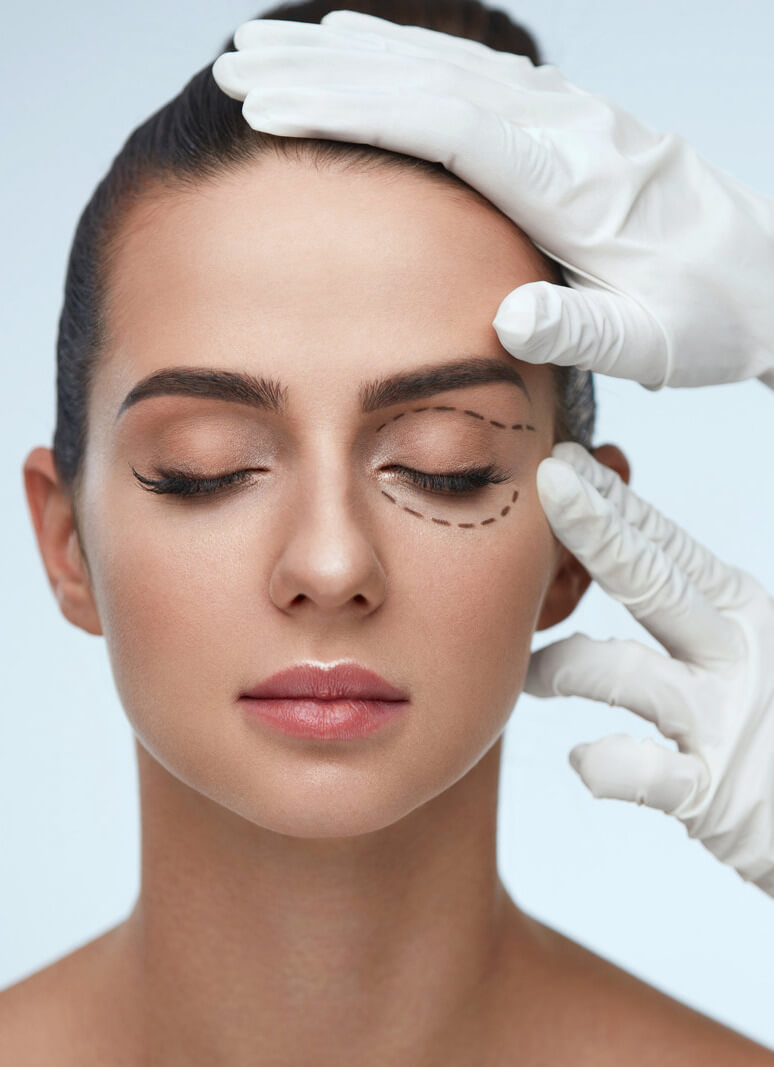
Lipofilling face
Lipofilling to the face, or autologous facial fat grafting, is a transformative procedure that restores youthful volume and contour using your body’s own natural fat cells. As we age, the loss of deep facial fat pads leads to hollowing, sagging, and a shadowed appearance; this technique strategically replaces that volume to soften features and improve skin quality. The result is a more vibrant, rejuvenated appearance that avoids the synthetic look sometimes associated with traditional dermal fillers.
Facial aging is not merely a matter of skin laxity; it is primarily driven by the depletion and descent of facial volume. This loss of structural fat occurs most noticeably in the temples, cheeks, and the area surrounding the eyes and mouth, leading to a "tired" or "gaunt" aesthetic. Lipofilling addresses the root cause of this transition by replenishing volume exactly where it has been lost, providing a biological solution for facial rejuvenation.
What is Lipofilling to the Face?
Lipofilling is a refined surgical process that involves harvesting fat from a donor site—typically the abdomen, flanks, or inner thighs—and carefully transplanting it into the face. Because the material used is your own living tissue, there is no risk of allergic reaction or rejection.
The procedure is executed in three meticulous stages:
- Harvesting: Using specialized, low-pressure liposuction cannulas, fat is gently extracted to ensure the delicate cell membranes remain intact.
- Purification: The harvested fat is processed using a centrifuge or filtration system to remove excess fluids, oils, and impurities, leaving behind a concentration of pure, viable fat cells.
- Injection: Using micro-cannulas, the surgeon injects the purified fat in tiny droplets throughout the various planes of the face. This "micro-fat" grafting technique ensures that each fat cell is surrounded by healthy tissue and a blood supply, which is essential for the long-term survival of the graft.
Who is lipofilling for?
Facial fat grafting is an excellent option for patients seeking a more permanent and natural alternative to temporary fillers. You may be an ideal candidate if:
- You have noticed hollowing in the temples or "tear troughs" under the eyes.
- Your cheeks have lost their youthful "apple" contour and appear flattened.
- You have deep nasolabial folds or marionette lines that require structural support.
- You wish to improve the overall texture and radiance of your skin (fat cells contain stem cells that often improve overlying skin quality).
- You are undergoing a facelift and want to address volume loss simultaneously for a more comprehensive result.
Before the operation
Your consultation will involve a comprehensive facial analysis to identify areas of volume deficit and assess the symmetry of your features. Your surgeon will also evaluate potential donor sites to ensure you have an adequate supply of healthy fat. We will discuss your aesthetic goals, emphasizing that lipofilling is about "sculpting" rather than simply "filling."
Preoperative instructions include maintaining a stable weight, as the transferred fat cells will behave like fat in the rest of your body—expanding or shrinking with weight fluctuations. You will be advised to stop smoking and avoid blood-thinning medications for several weeks to optimize the "take" rate of the transferred fat.
During the operation
The procedure is typically performed under intravenous sedation or general anesthesia and lasts between 1 and 2 hours. First, the donor fat is harvested through a tiny incision (usually 2–3mm) in a discreet location.
Once the fat is purified, it is injected into the face through needle-entry points. No incisions are made on the face, meaning there are no surgical scars to manage. The surgeon carefully builds up the volume in layers, often overfilling the area slightly to account for the natural reabsorption that occurs during the first few weeks of healing.
After the operation and recovery
In the initial days following the procedure, you will experience swelling and potentially some bruising at both the donor and injection sites. Swelling in the face is often most prominent around day three and then begins to subside. Most patients feel comfortable returning to social activities and work within 7 to 10 days.
It is crucial not to massage or apply firm pressure to the treated facial areas for at least three weeks, as the newly transferred fat cells need an undisturbed environment to establish a blood supply. While a portion of the fat (typically 30–40%) will be naturally absorbed by the body in the first few months, the fat that remains after six months is considered permanent.
How long do the results last?
Unlike temporary dermal fillers that dissolve over 6 to 18 months, the fat that survives the initial healing phase remains permanently in its new location. However, while the fat cells themselves are permanent, your face will continue to age naturally. Most patients enjoy the benefits of facial lipofilling for many years.
Can lipofilling replace a facelift?
While lipofilling is excellent for restoring volume, it cannot correct significant skin laxity or "lift" sagging muscles in the way a facelift can. However, the two procedures are often performed together; the facelift addresses the sagging tissue, while the lipofilling restores the youthful fullness that surgery alone cannot provide.
Is the procedure painful?
The procedure is generally well-tolerated. Patients usually describe the sensation at the donor site as similar to the soreness felt after a vigorous workout. The facial areas may feel tight or tender for a few days, but sharp pain is rare and easily managed with standard post-operative medication.
What is the difference between "Micro-fat" and "Nano-fat"?
"Micro-fat" is used primarily to restore structural volume in areas like the cheeks or temples. "Nano-fat" is fat that has been further refined and filtered into a liquid form; it does not add volume but is injected superficially to take advantage of its high regenerative cell content to treat fine lines and improve skin tone and pigmentation.
Every question gets an answer
Get a free consultation by booking a consultation with our consultants.