


Breast reduction
Breast reduction, or reduction mammoplasty, is a transformative surgical procedure designed to remove excess breast fat, glandular tissue, and skin to achieve a breast size more in proportion with your body.
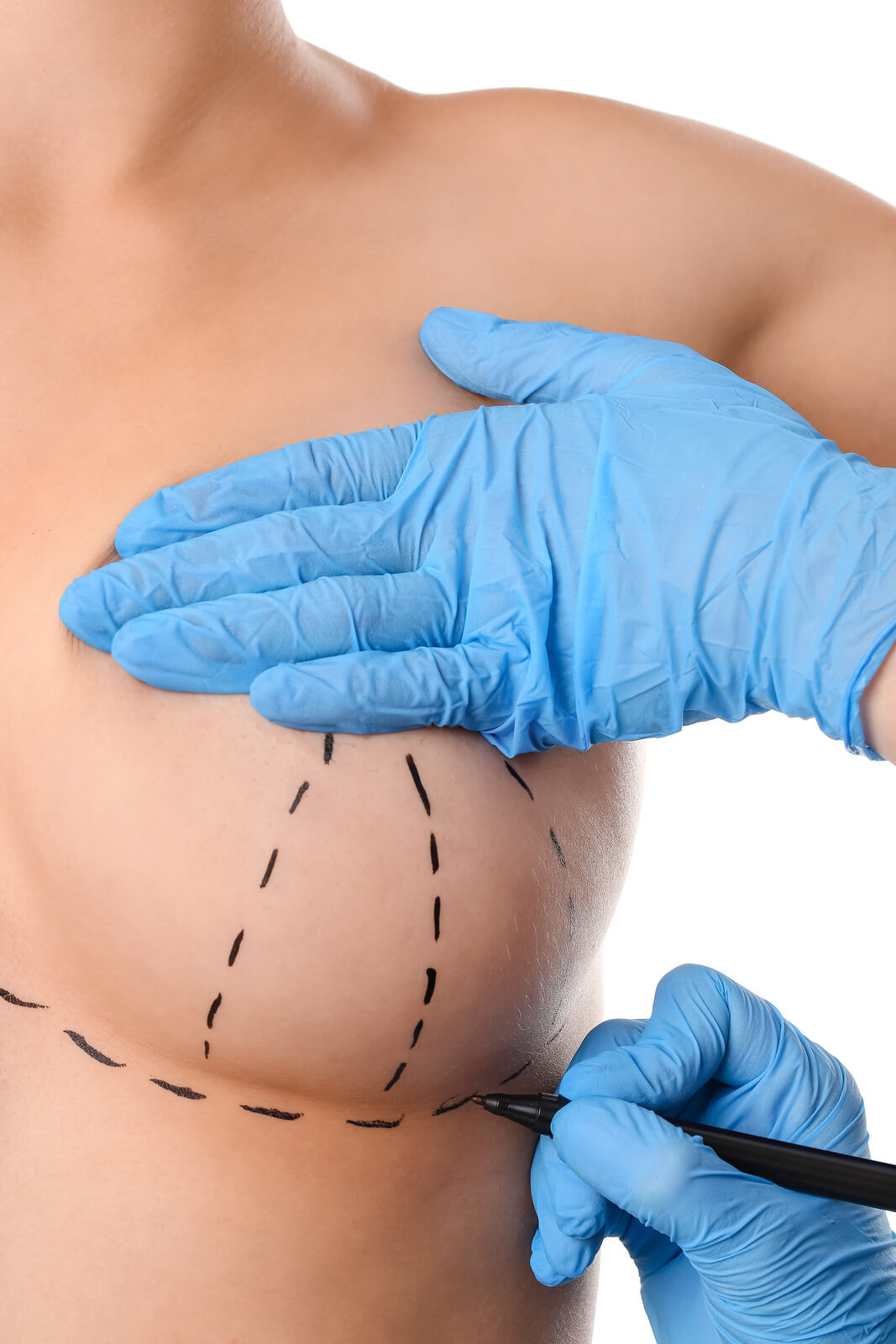
Breast reduction
Breast reduction, or reduction mammoplasty, is a transformative surgical procedure designed to remove excess breast fat, glandular tissue, and skin to achieve a breast size more in proportion with your body. For many women, this surgery is performed not only for aesthetic refinement but to alleviate the chronic physical discomfort and functional limitations caused by overly large, heavy breasts. Our objective is to create a lighter, firmer, and more contoured breast shape that improves both your physical health and quality of life.
Overly large breasts (macromastia) can cause a range of significant medical and emotional challenges. The physical weight of heavy breast tissue often leads to chronic pain in the back, neck, and shoulders, as well as skin irritation and restricted physical activity. Breast reduction surgery addresses these issues by fundamentally restructuring the breast, providing a permanent solution that balances the figure and relieves the physical burden on the musculoskeletal system.
What is Breast Reduction?
The procedure involves the surgical removal of excess tissue and skin to reduce the volume and weight of the breasts. During the surgery, the nipple and areola are repositioned to a higher, more youthful level to match the new breast contour. If the areola has become enlarged due to stretching, it is typically reduced in size during the process to ensure a proportionate and aesthetic result.
There are several surgical techniques used for reduction, depending on the patient's anatomy and the amount of tissue to be removed:
- Vertical (Lollipop) Pattern: Suitable for moderate reductions, requiring an incision around the areola and a vertical line down to the breast crease.
- Inverted-T (Anchor) Pattern: The most common technique for significant reductions, involving an incision around the areola, a vertical line, and a horizontal incision along the natural fold of the breast.
- Liposuction-Only: In rare cases where the breast is composed primarily of fatty tissue and skin elasticity is excellent, liposuction may be used to reduce volume with minimal scarring.
Who is breast reduction for?
Breast reduction is often considered a reconstructive procedure as much as a cosmetic one. You may be an ideal candidate for this surgery if you experience:
- Chronic pain in the back, neck, or shoulders that is not relieved by physical therapy.
- Deep grooves in the shoulders from bra straps supporting heavy weight.
- Persistent skin rashes or infections under the breast fold.
- Difficulty participating in sports or physical exercise due to breast size.
- Self-consciousness or difficulty finding clothing that fits properly.
- A feeling that your breasts are out of proportion with the rest of your frame.
Before the operation
Your journey begins with a detailed medical consultation where your surgeon will assess your symptoms, breast tissue composition, and overall health. We will discuss your desired cup size, though it is important to understand that the final result is dictated by your breast base and blood supply. You may be required to have a baseline mammogram before surgery to ensure breast health.
Specific preoperative instructions include maintaining a stable weight and strictly avoiding smoking for several weeks before and after the procedure, as nicotine significantly impairs skin healing. You will also be advised to stop taking blood-thinning medications or herbal supplements that could increase the risk of hematoma.
During the operation
Breast reduction is performed under general anesthesia and typically takes between 3 and 4 hours. Once the incisions are made, the surgeon removes the pre-calculated amount of excess glandular tissue and fat. The remaining breast tissue is then reshaped and lifted.
The nipple-areolar complex is moved to its new position while remaining attached to its original blood and nerve supply (the "pedicle"). Once the new shape is achieved, excess skin is trimmed away, and the incisions are closed using deep, dissolvable sutures for internal support and fine sutures for the skin. In some cases, small drainage tubes may be placed temporarily to prevent fluid buildup.
After the operation and recovery
Immediately following surgery, your breasts will be wrapped in surgical dressings and supported by a specialized compression bra. While you will feel an immediate sense of "lightness," it is normal to experience swelling, bruising, and moderate discomfort for the first few days. Most patients return to light daily activities and non-strenuous work within 2 weeks.
You must avoid heavy lifting, vigorous exercise, and sleeping on your stomach for at least 6 weeks. The breasts will initially appear high and firm, but they will gradually soften and settle into their final shape over 3 to 6 months. Scars will be visible initially but will flatten and fade significantly over the first year with proper scar management.
Will insurance cover my breast reduction?
In many cases, health insurance providers will cover breast reduction if it is deemed medically necessary to treat chronic physical symptoms like back pain or skin rashes. Your surgeon will take specific measurements and document the amount of tissue to be removed to assist with the insurance authorization process.
Can I breastfeed after a breast reduction?
While many women are able to breastfeed after a reduction, it cannot be guaranteed. The procedure involves repositioning the nipple, which may affect some milk ducts. If future breastfeeding is a high priority for you, your surgeon will discuss the specific techniques used to maximize the chances of preserving this function.
How much weight will be removed?
The amount of tissue removed varies significantly between patients, ranging from a few hundred grams to over a kilogram per breast. During your consultation, your surgeon will provide an estimate based on your symptoms and the goal of achieving a size that is proportional to your chest wall and frame.
Is the nipple removed during the surgery?
In the vast majority of cases, the nipple is never fully detached; it is moved as part of a "pedicle" that maintains its own blood supply and nerve connection. Only in extremely large or "gigantomastia" cases is a "free nipple graft" required, and your surgeon will discuss this with you well in advance if it is a possibility for your specific anatomy.
Every question gets an answer
Get a free consultation by booking a consultation with our consultants.