


Lipofilling to the buttocks
Lipofilling to the buttocks, widely known as the Brazilian Butt Lift (BBL), is a specialized fat transfer procedure that uses your own natural tissue to enhance the volume, contour, and lift of the posterior.
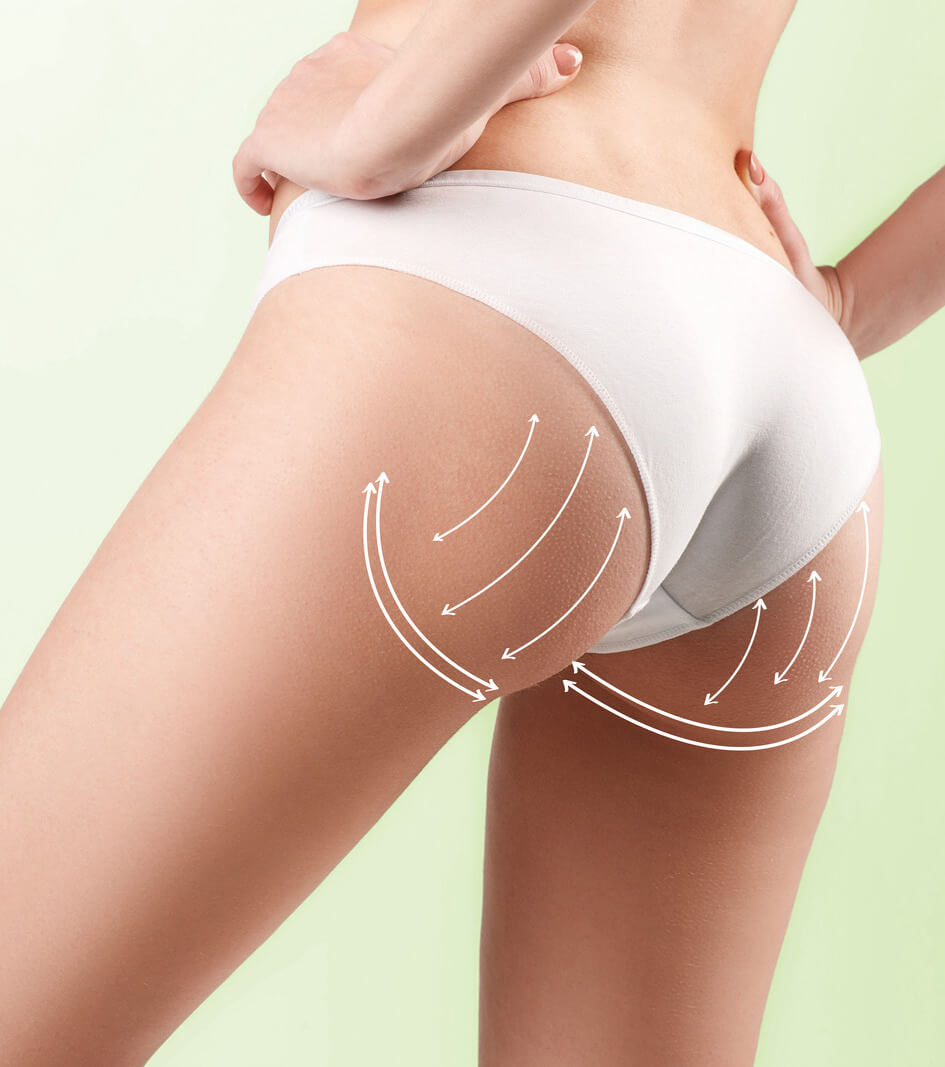
Lipofilling to the buttocks
Lipofilling to the buttocks, widely known as the Brazilian Butt Lift (BBL), is a specialized fat transfer procedure that uses your own natural tissue to enhance the volume, contour, and lift of the posterior. By harvesting fat from areas of excess and strategically injecting it into the gluteal region, this procedure achieves a dual benefit: body sculpting at the donor site and a fuller, more shapely silhouette. Our approach prioritizes safety and anatomical precision to create a result that is both aesthetically beautiful and naturally soft to the touch.
The goal of lipofilling to the buttocks is to improve the overall proportions of the lower body. Unlike synthetic implants, fat transfer utilizes autologous tissue, meaning there is no risk of allergic reaction or implant-related complications. This technique is particularly effective for addressing "hip dips," improving the "sweep" of the waist-to-hip ratio, and providing a youthful lift to a flattened or sagging posterior.
What is Lipofilling to the Buttocks?
The procedure is a comprehensive body contouring surgery that involves three distinct phases:
- Harvesting: Using specialized liposuction techniques, fat is removed from donor areas such as the abdomen, flanks ("love handles"), or thighs. This initial stage allows the surgeon to narrow the waist, further emphasizing the final projection of the buttocks.
- Purification: The harvested fat is carefully processed and purified to separate healthy, viable fat cells from blood, oil, and tumescent fluid. Only the highest quality fat is prepared for reinjection.
- Injection: The purified fat is meticulously injected into the gluteal region through tiny incisions. The fat is placed in hundreds of small "droplets" throughout the tissue to ensure that each cell has access to a blood supply, which is critical for the long-term survival of the graft.
A modern, safety-first approach dictates that fat is only injected into the subcutaneous space (the layer of fat just beneath the skin) and never into or beneath the gluteal muscle. This significantly reduces surgical risks while still achieving significant volume and a smooth, rounded contour.
Who is lipofilling for?
This procedure is ideal for patients who desire a more natural alternative to implants and have sufficient donor fat. You may be a candidate if:
- You have lost buttock volume due to aging or significant weight loss.
- You have a "square" or "flat" posterior and desire more projection and roundness.
- You have "hip dips" or lack fullness on the sides of your buttocks.
- You wish to improve your body proportions by reducing fat in the midsection while increasing it in the posterior.
- You have enough excess body fat available in donor sites to achieve your volume goals.
Before the operation
The process begins with an assessment of your "donor" sites to ensure you have enough fat to achieve the desired result. Your surgeon will analyze your skin elasticity and the current shape of your buttocks to plan the injection sites. We will discuss the "projection" versus "width" to ensure the results fit your frame.
Preoperative instructions are vital. You must maintain a stable weight, stop smoking for at least six weeks, and avoid medications that can increase bleeding. Since the fat cells are living tissue, their survival depends on optimal blood flow during the healing phase.
During the operation
The procedure is performed under general anesthesia and typically takes 3 to 4 hours. The surgeon begins with the liposuction phase to harvest the fat and sculpt the waist and back. Once the fat is purified, it is injected through very small cannulas into the buttocks.
Because no large incisions are required, there are no significant scars; the entry points for the cannulas are only a few millimeters long and are placed in discreet locations. Once the desired shape is achieved, the incisions are closed with fine sutures, and a specialized compression garment is applied.
After the operation and recovery
Recovery from a BBL requires a commitment to "offloading" the treated area. For the first 2 to 3 weeks, you must not sit directly on your buttocks or sleep on your back. You will be required to use a specialized BBL pillow that supports your thighs, allowing the buttocks to "float" and preventing pressure from damaging the newly transferred fat cells.
Swelling and bruising at both the donor and injection sites are normal and will peak within the first week. You will wear a compression garment on the liposuction areas to minimize fluid buildup and support the new contours. Most patients can return to sedentary work after 2 weeks, using their specialized pillow. Full physical activity and heavy exercise can typically be resumed after 6 to 8 weeks.
How much of the fat will stay permanently?
It is a natural part of the process for the body to reabsorb some of the transferred fat—typically between 20% and 40%—during the first few months. The fat that remains after approximately four months has established its own blood supply and is considered permanent. Your surgeon will often overfill the area slightly to account for this expected reabsorption.
What happens if I lose weight after the procedure?
The transferred fat cells behave just like any other fat cells in your body. If you lose weight, those cells will shrink; if you gain weight, they will expand. For the most stable and long-lasting results, it is important to maintain a healthy, stable weight following your surgery.
Is fat transfer safer than buttock implants?
Fat transfer is often preferred because it uses your own tissue, avoiding the risks of implant displacement, "flipping," or capsular contracture. However, it requires a high level of surgical expertise to ensure the fat is placed safely in the subcutaneous layer. During your consultation, we will discuss the specific safety protocols we use to minimize risks.
Can I drive after the procedure?
You should not drive until you are no longer taking prescription pain medication and, more importantly, until you can safely sit without putting pressure on the treated area. Most patients wait at least 2 to 3 weeks before driving, using a specialized BBL cushion to protect the fat grafts.
Every question gets an answer
Get a free consultation by booking a consultation with our consultants.