


Skin tumor removal
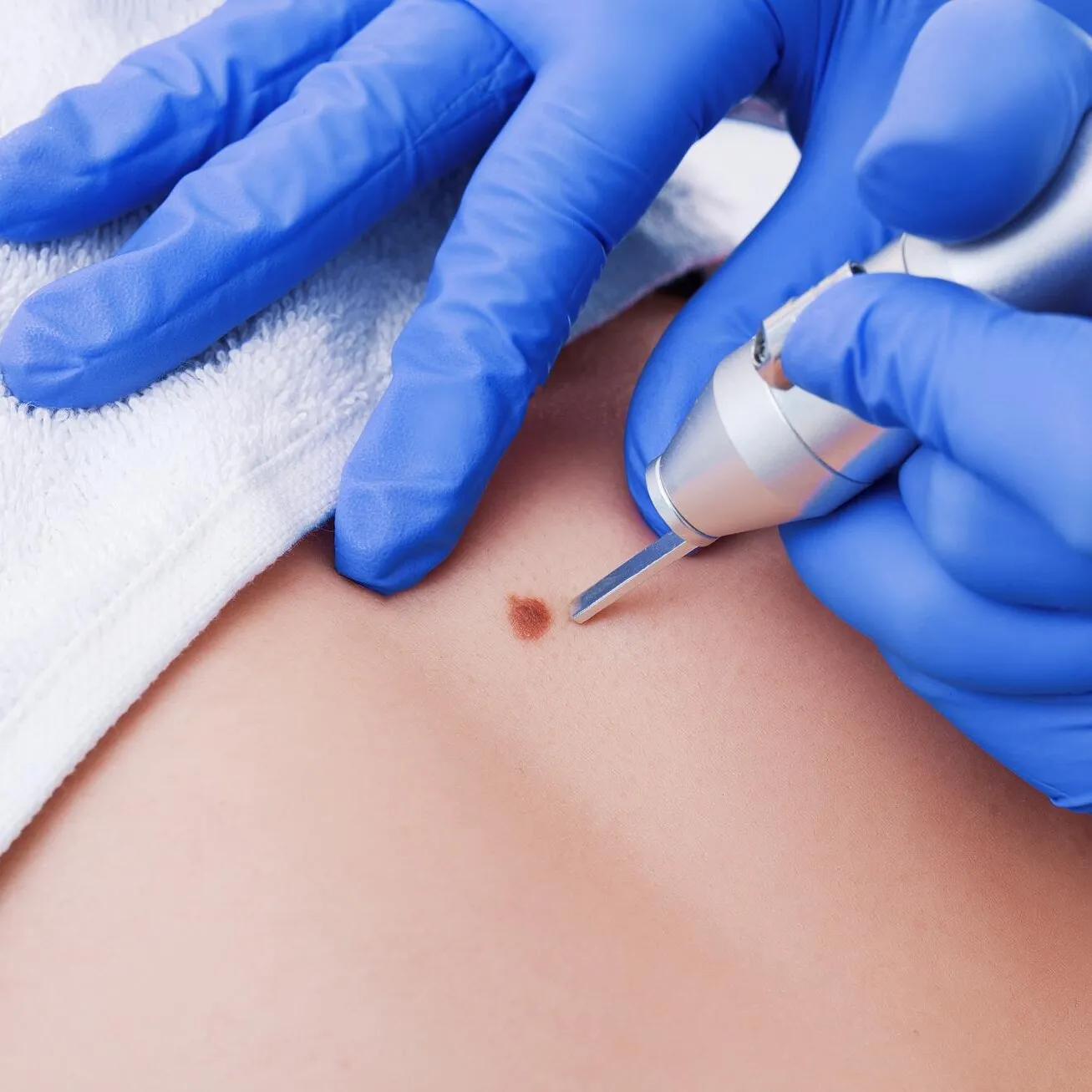
Skin tumor removal is a precise surgical procedure focused on the complete excision of abnormal skin growths, including both benign lesions and malignant skin cancers.
Skin tumor removal
Skin tumor removal is a precise surgical procedure focused on the complete excision of abnormal skin growths, including both benign lesions and malignant skin cancers. Our approach prioritizes "clear margins"—ensuring all diseased tissue is removed—while utilizing advanced reconstructive plastic surgery techniques to minimize scarring. The goal is to restore the health of the skin while preserving the natural appearance and function of the treated area, particularly in delicate regions like the face.
Skin tumors can range from harmless moles, cysts, and lipomas to more serious conditions like basal cell carcinoma, squamous cell carcinoma, or melanoma. When a lesion is suspected to be atypical or has been confirmed as cancerous via biopsy, surgical removal is typically the most definitive treatment. Unlike a simple biopsy, a formal excision involves removing the entire growth along with a small "safety margin" of healthy surrounding tissue to ensure no microscopic diseased cells remain.
What is Skin Tumor Removal?
The procedure varies in complexity depending on the size, type, and location of the tumor. After the tumor is removed, the surgeon must decide on the best method for closing the wound:
- Primary Closure: For smaller tumors, the edges of the skin are simply brought together and sutured in a straight line, often following the natural tension lines of the skin to ensure the best cosmetic result.
- Skin Flap: If the removal leaves a larger defect, a "flap" of healthy adjacent skin is partially detached and rotated or moved to cover the wound. This is a sophisticated technique used to maintain the natural contours of the face or body.
- Skin Graft: In cases where there is not enough local skin to close the wound, a thin layer of skin is taken from another part of the body (the donor site) and placed over the area.
For certain types of skin cancer, particularly on the face, your surgeon may work in conjunction with a Mohs surgeon to ensure the cancer is fully cleared before performing the final aesthetic reconstruction.
Who is skin tumor removal for?
Surgical excision is the standard of care for various skin conditions. You may require this procedure if:
- You have a confirmed diagnosis of skin cancer (Melanoma, BCC, or SCC).
- You have a rapidly changing or suspicious mole that requires a full excision biopsy.
- You have a large benign growth, such as a lipoma or cyst, that is causing physical discomfort or aesthetic concern.
- A previous lesion has recurred and requires a more extensive surgical clearance.
- You wish for a growth to be removed by a plastic surgeon to ensure the least visible scar possible.
Before the operation
Your consultation will involve a careful examination of the lesion and a review of any previous biopsy reports. Your surgeon will explain the planned margin of removal and discuss the expected reconstruction method. If the tumor is located on a highly visible area like the nose, eyelid, or lip, we will detail how we plan to preserve the symmetry and function of those features.
Preoperative instructions generally involve avoiding blood-thinning medications and supplements that could lead to bleeding or bruising. If the procedure is being performed under local anesthesia, you may be able to eat normally; if general anesthesia is required, you will be given specific fasting instructions.
During the operation
Most skin tumor removals are performed under local anesthesia, though larger or more complex cases may require sedation or general anesthesia. The surgeon precisely marks the tumor and the necessary safety margin.
Once the area is numb, the tumor is excised. In cancer cases, the tissue is often sent immediately to a pathology lab for "margin analysis." Once the surgeon is confident that the tumor is fully removed, the reconstructive phase begins. Using fine sutures and tension-reducing techniques, the wound is closed. The entire process can take anywhere from 30 minutes to two hours depending on the reconstruction required.
After the operation and recovery
Following the procedure, the site will be covered with a protective dressing. You will be given specific instructions on how to keep the wound clean and dry. It is normal to experience mild swelling or redness around the incision site for a few days. Pain is typically minimal and easily managed with standard over-the-counter relievers.
Sutures are usually removed within 5 to 14 days, depending on the location of the surgery. You must protect the healing scar from sun exposure for at least six months to prevent permanent darkening (hyperpigmentation). While the scar will initially appear pink, it will flatten and fade significantly over the first year. In cases of skin cancer, long-term follow-up appointments will be scheduled to monitor for any new or recurring lesions.
Will I be "cancer-free" after this surgery?
For most localized skin cancers, surgical excision with clear margins has a very high cure rate. However, the final confirmation comes from the pathology report, which typically takes a few days. Your surgeon will review these results with you and determine if any further treatment or monitoring is necessary.
How bad will the scar be?
As plastic surgeons, we utilize techniques to minimize tension on the skin and place incisions in natural skin folds or "hidden" areas whenever possible. While every surgery results in a permanent scar, they usually fade into thin, discreet lines that are very difficult to notice over time.
Do I have to go to a hospital for this?
Many skin tumor removals can be safely performed in a specialized outpatient surgical suite under local anesthesia. However, if the tumor is very large, involves deeper structures, or requires a complex skin graft, your surgeon may recommend performing the procedure in a hospital setting for your comfort and safety.
What if the pathology shows the margins are not clear?
If the lab report indicates that tumor cells were found at the very edge of the removed tissue, a "re-excision" may be required. This involves removing a small additional amount of tissue from that specific edge to ensure that 100% of the tumor has been eliminated.
Every question gets an answer
Get a free consultation by booking a consultation with our consultants.