


Thighplasty
Thighplasty, or a thigh lift, is a surgical procedure designed to reshape the thighs by removing excess skin and, in some cases, fat.
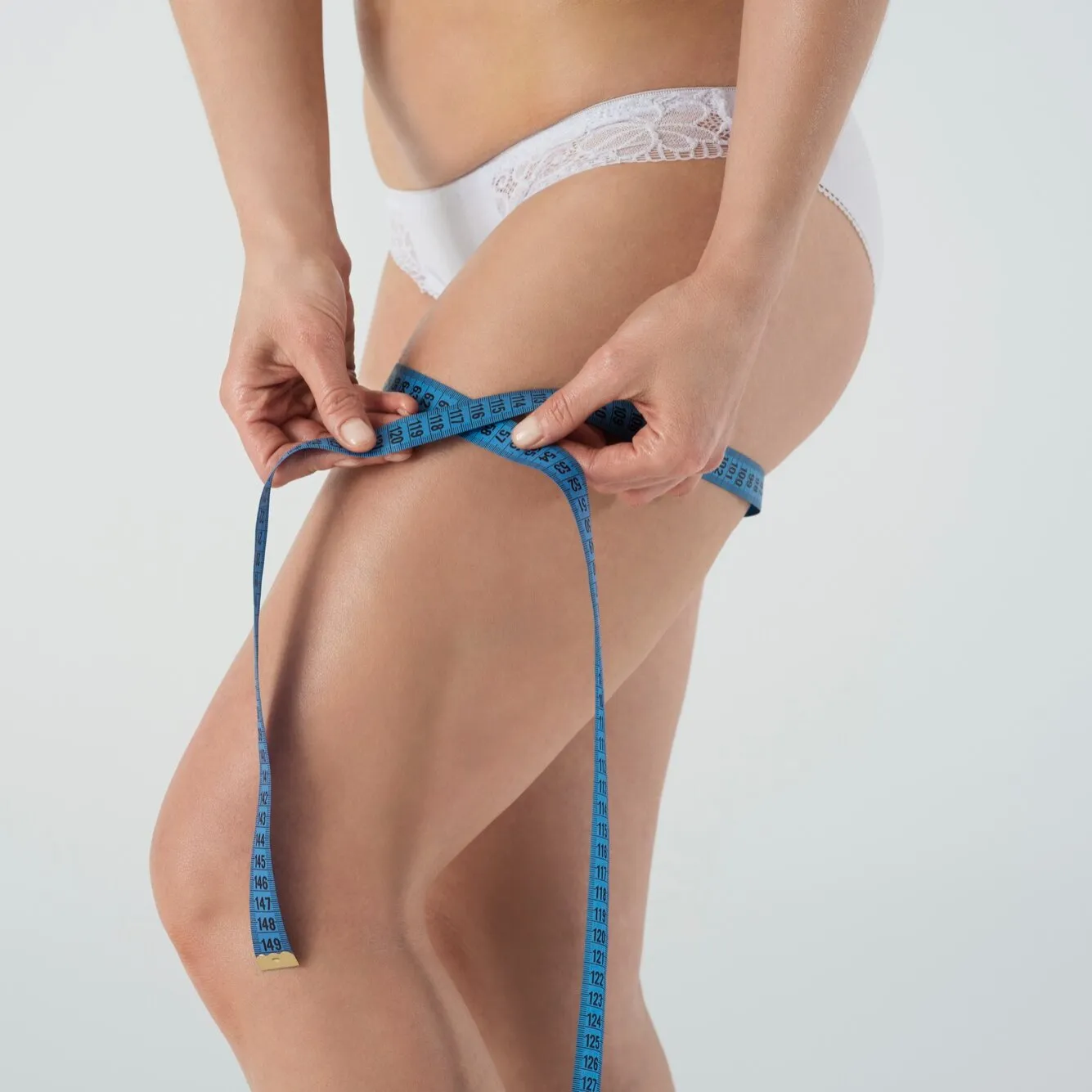
Thighplasty
Thighplasty, or a thigh lift, is a surgical procedure designed to reshape the thighs by removing excess skin and, in some cases, fat. This procedure is highly effective for individuals who struggle with loose, sagging skin resulting from aging, gravity, or significant weight loss. By tightening the underlying tissues and excising redundant skin, a thigh lift creates a smoother, firmer, and more toned leg contour that improves both your physical comfort and your confidence in fitted clothing or swimwear.
The skin on the inner and outer thighs is susceptible to losing its elasticity, which can lead to a "heavy" or "crepey" appearance. For many, this excess skin causes more than just aesthetic concern; it can lead to chronic skin irritation, chafing, and difficulty finding comfortable clothing. Since exercise can build muscle but cannot shrink overstretched skin, a thigh lift is the definitive solution to restore a youthful and athletic leg profile.
What is Thighplasty?
A thigh lift is a customizable surgery that targets specific areas of the leg. The technique used depends on the location and amount of skin to be removed:
- Inner (Medial) Thigh Lift: The most common form, focusing on the upper-inner portion of the thigh. For moderate laxity, the incision may be hidden in the groin crease. For more significant excess, a vertical incision extending toward the knee may be necessary.
- Outer (Lateral) Thigh Lift: Addresses the outer thighs and may extend to the buttock area. This is often part of a larger lower body lift for patients who have experienced massive weight loss.
- Mini Thigh Lift: Targets only the very upper third of the inner thigh with a shorter incision, suitable for patients with minimal skin laxity.
Liposuction is frequently utilized as a complementary step to thin the fatty layer before the skin is tightened, ensuring the most refined and tapered result possible.
Who is thighplasty for?
This procedure is designed for individuals who have reached a stable weight but are burdened by redundant thigh tissue. You may be a candidate for a thigh lift if:
- You have loose, sagging skin on your thighs that does not improve with exercise.
- You experience painful skin chafing or rashes between your thighs.
- Your thigh skin has a "dimpled" or "distorted" appearance due to a loss of elasticity.
- You feel self-conscious wearing shorts, skirts, or bathing suits.
- You are committed to maintaining a healthy lifestyle and stable weight following surgery.
Before the operation
Your consultation will involve a detailed evaluation of your lower body anatomy. Your surgeon will assess your skin quality and the distribution of fat to determine the most effective incision pattern. We will discuss the trade-off between the resulting scars and the degree of lifting achieved, ensuring you have a clear understanding of the expected outcome.
Preoperative instructions are critical for successful healing. You must be a non-smoker or quit all nicotine products at least six weeks prior to surgery, as blood flow to the thigh skin is easily compromised. You will also need to arrange for assistance at home, as your mobility will be restricted during the initial recovery phase.
During the operation
A thigh lift is performed under general anesthesia and typically takes between 3 and 5 hours. After making the strategic incisions, the surgeon elevates the skin and removes the excess tissue. The underlying deep fascia is then sutured to provide a strong internal "tuck" that supports the new contour.
The skin is meticulously redraped and closed with deep, dissolvable sutures to minimize tension on the surface. In many cases, temporary surgical drains are placed to prevent fluid buildup (seroma), and the legs are wrapped in compression bandages to support the tissues as they begin to heal.
After the operation and recovery
In the first few days, you will experience swelling and a sensation of tightness. It is essential to wear a specialized compression garment 24/7 as directed to minimize fluid accumulation and support the new contours. While you will be encouraged to take short, gentle walks to promote circulation, you must avoid wide strides, heavy lifting, and squatting for several weeks.
Most patients return to sedentary work within 2 to 3 weeks. Full physical activity and strenuous lower-body exercise can usually be resumed after 6 to 8 weeks. While the initial improvement is visible once the bandages are removed, the final results will emerge over 6 to 12 months as the tissues soften and the incision lines mature.
Where will the scars be located?
For an inner thigh lift, the scars are typically placed in the groin crease where they can be hidden by underwear or a bikini bottom. If a significant amount of skin must be removed, a vertical scar along the inner thigh may also be required. While these scars are permanent, they generally fade and flatten significantly over the first year with proper scar management.
Can I get a thigh lift instead of liposuction?
Liposuction only removes fat; it cannot tighten loose skin. If you have significant skin laxity, liposuction alone may actually leave the skin looking more deflated and saggy. A thigh lift is specifically designed to address the skin itself. Often, the two are combined to remove fat and tighten skin simultaneously for the best possible result.
Is the recovery painful?
Patients generally describe the recovery as a period of significant "soreness" and "tightness" rather than sharp pain. The discomfort is usually most noticeable during the first week and is well-controlled with prescribed pain medication. Following the head-of-bed elevation and movement restrictions is key to a comfortable recovery.
How long do the results last?
The results of a thigh lift are long-lasting, provided you maintain a stable weight. While the natural aging process and gravity will continue to affect your skin over time, the redundant tissue removed during the surgery will not return. Most patients enjoy their improved thigh contour for many years.
Every question gets an answer
Get a free consultation by booking a consultation with our consultants.